
Most social risk screening tools work from input-output tables (PSILCA & SHDB) sector-level averages that sit one step removed from the product system you’ve actually modeled. You build a detailed process-level supply chain in ecoinvent, then have to switch frameworks entirely to get a social risk picture, one that no longer reflects the specific activities and links you set up.
soca (Social add-on to ecoinvent) takes a different approach. It links social risk indicators directly to ecoinvent’s process-level structure, so the social risk feedback maps onto the same activities and supply chain logic you’re already working with.
What soca looks like?
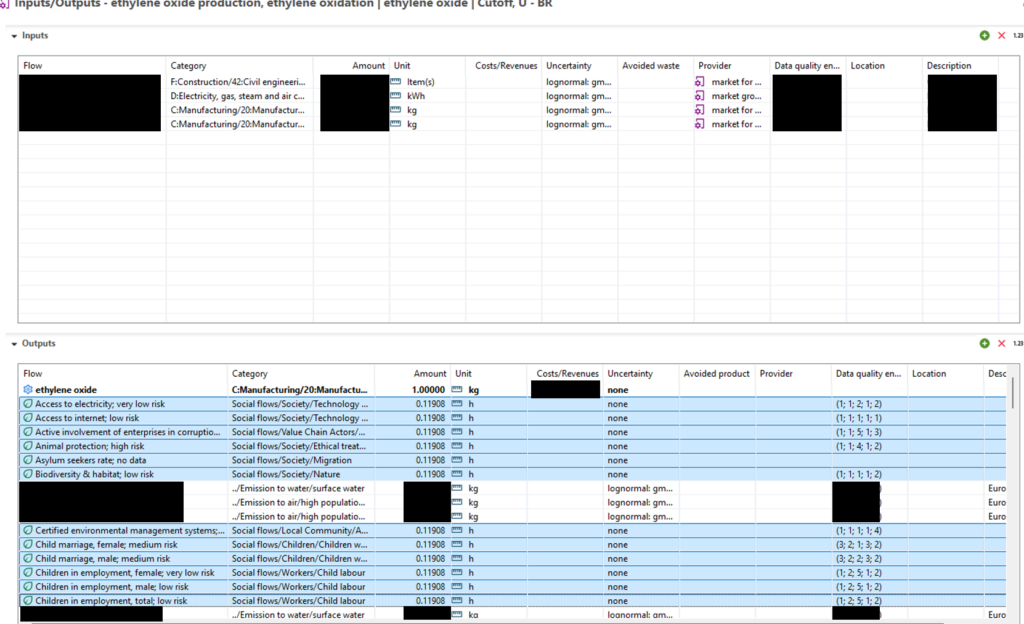
soca sits on top of the ecoinvent database, extending the same processes you use for environmental LCA with social risk indicators, so a single supply chain model can support both without rebuilding anything.
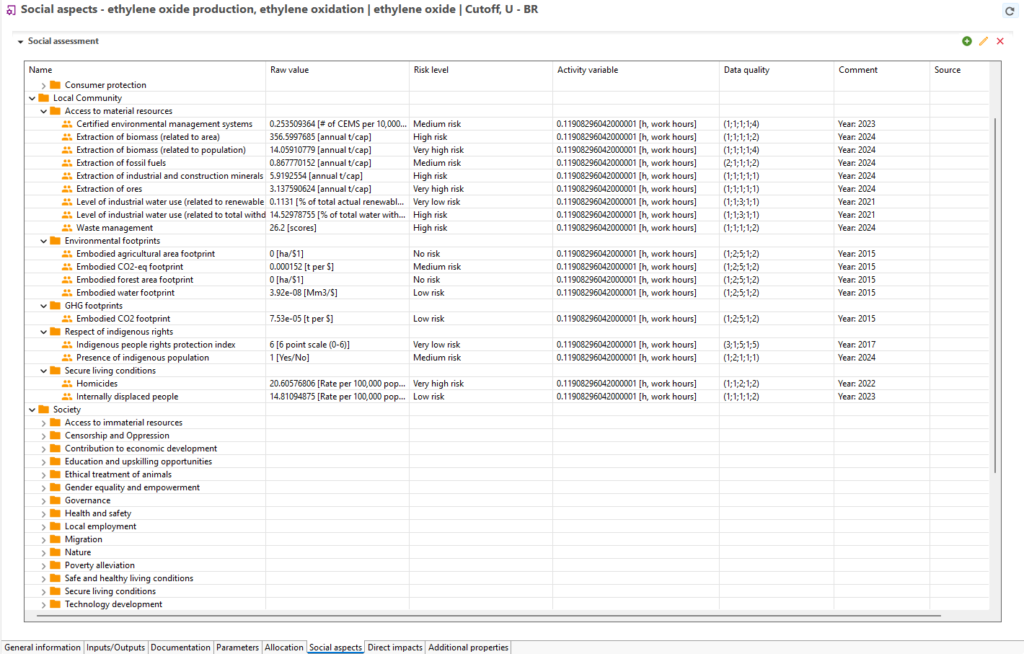
Users can also see the raw values that dictate the risk levels seen in the output flows above, as seen in the screenshot below.
Improvement/Changes in specific supply chain
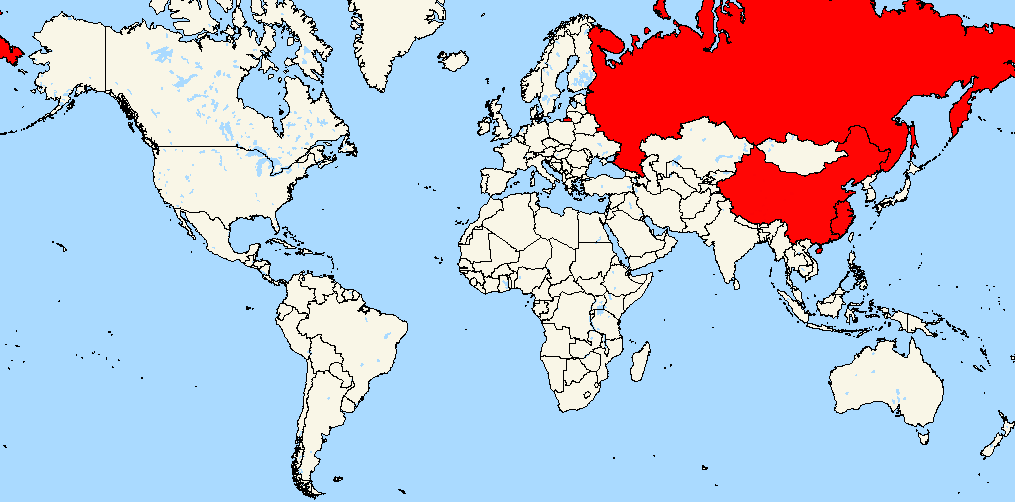
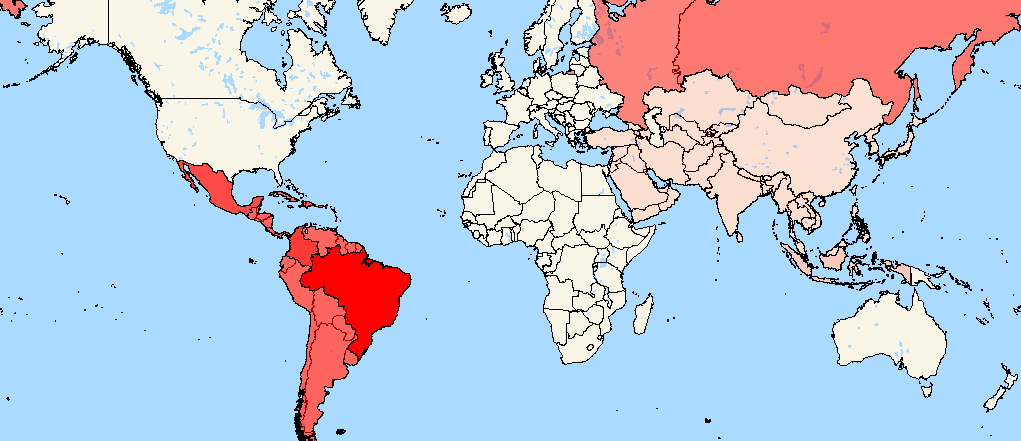
One of the more substantial improvements across recent versions has been regionalization. The screenshot below comparing two soca versions shows how the same supply chain node of the same process reads differently across two versions as the underlying regional resolution has improved, but that’s of course thanks to ecoinvent for improving it across the ecoinvent 3.11 and 3.12 version.
Is soca “better” than PSILCA or SHDB?
Not necessarily, and it’s worth being upfront about that. Input-output based social hotspot databases have their own solid track record and cover sectors/countries soca doesn’t touch. soca’s advantage isn’t accuracy or rigor over IO tables, it’s fit. If you’ve already built your model in ecoinvent, soca lets you get a social risk read without leaving that structure or reconciling two different data logics. It’s about convenience and consistency with the work you’ve already done, not a claim that the underlying method is superior.
Why this matters ?
If you’re already building your models in ecoinvent, soca means you don’t have to leave that structure to get a social risk perspective. It stays anchored to the supply chain you’ve actually set up, which matters if you’re using the results to prioritize where deeper, primary-data social investigation is actually warranted, rather than working from a sector-level estimate that may not reflect your specific system at all.
To download the recent version, please follow this link: openLCA Nexus: The source for LCA data sets
Finally the latest documentation available on soca v4, can be carried on to soca v5.